Ergonomics of a standing desk: height, timing and what the research says
A standing desk is set right when your elbows are at 90 degrees or more and the screen rises with the desk. Cornell and CCOHS also say long static standing has costs of its own.
Read the review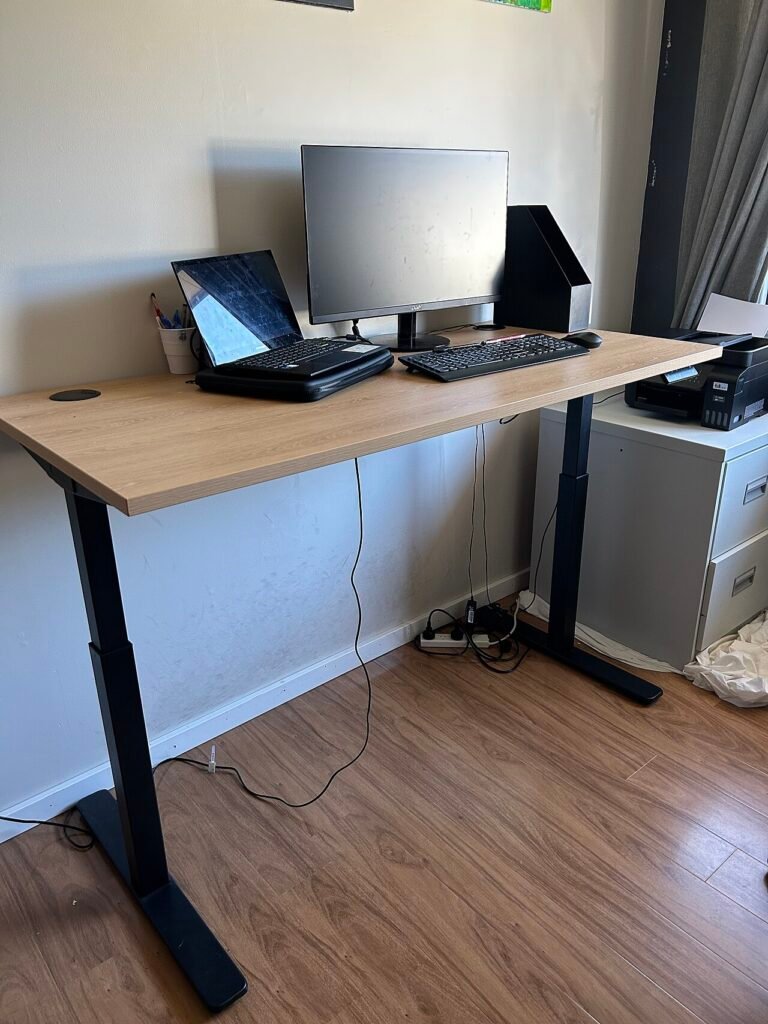
More reviews
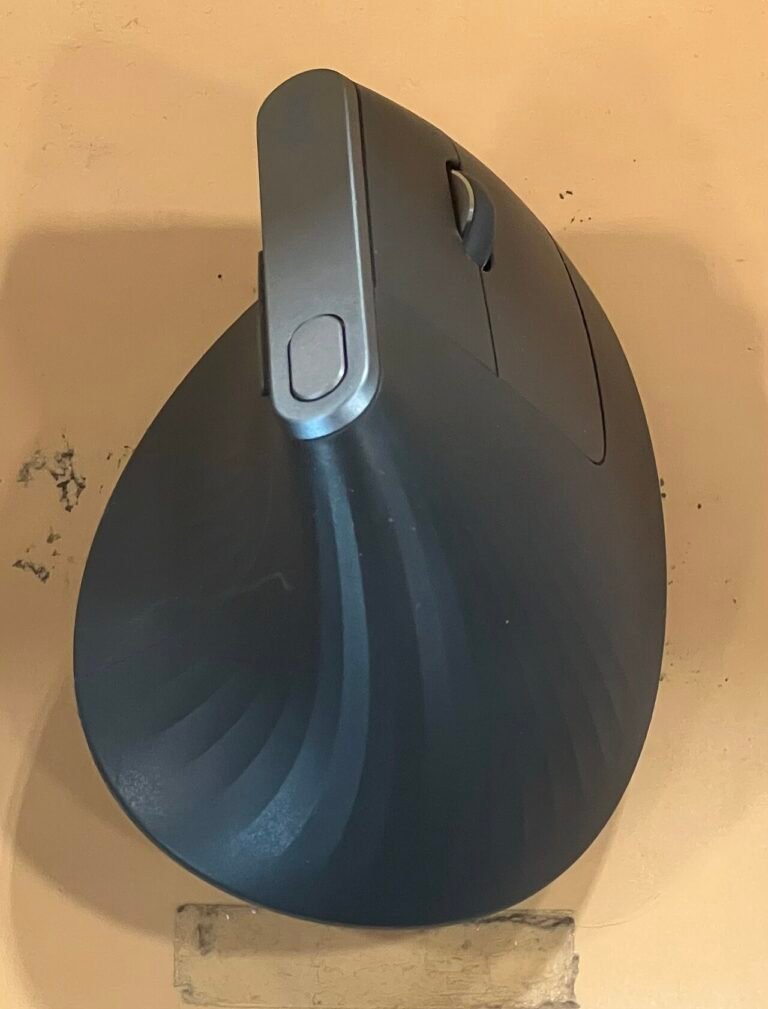
Ergonomic mouse: what research says about vertical versus standard designs
Vertical mice turn the forearm less in small lab studies, but nothing shows they prevent or treat wrist problems. A look at the studies, the CCOHS and NHS guidance, and when symptoms need a doctor.
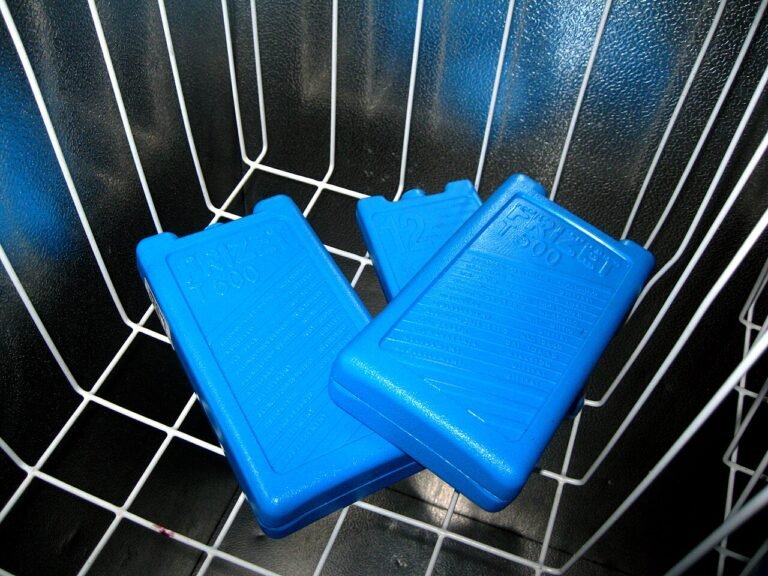
Ice pack for neck pain: what the guidance says about cold, heat and skin safety
Cold first, heat later, and a towel between you and either is the common thread in institutional advice on neck strain. Here is what each source says, where they differ, and which symptoms mean a call to a doctor.
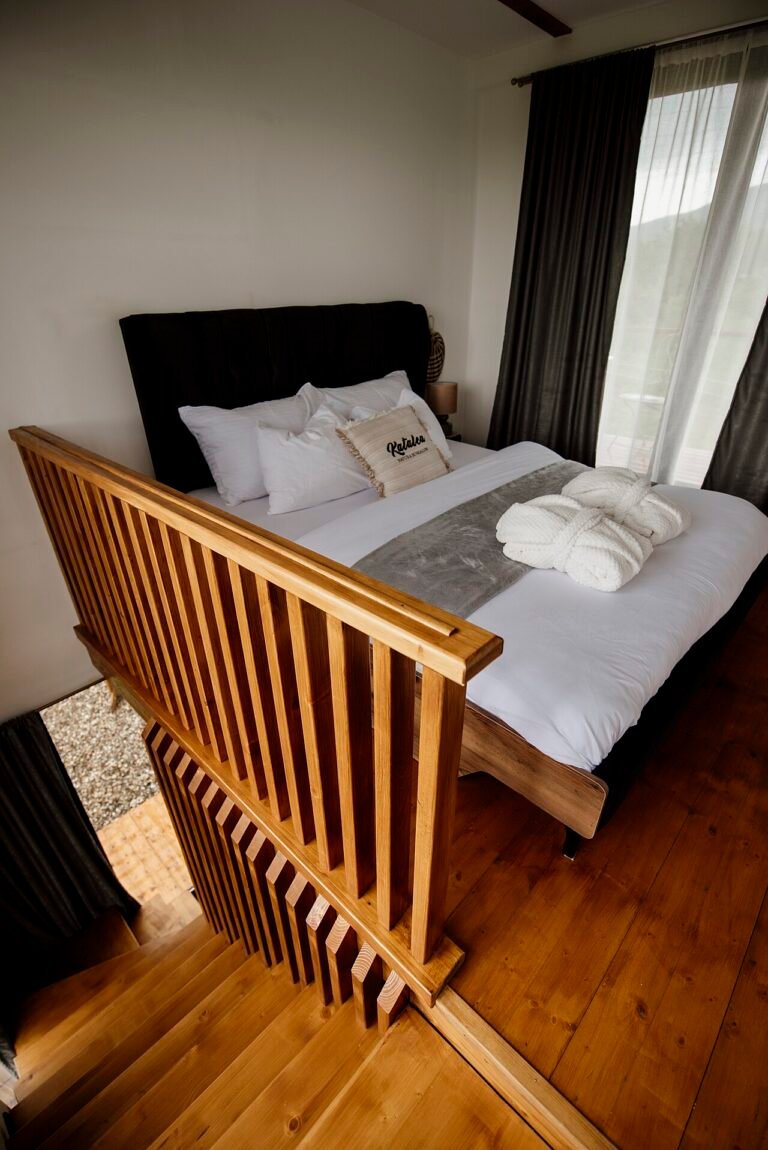
Neck pain from your pillow: how loft and sleeping position interact
A pillow that holds your head tilted can leave your neck sore. Here is the neutral-neck guidance by sleeping position, and the limits of the studies behind pillow height numbers.
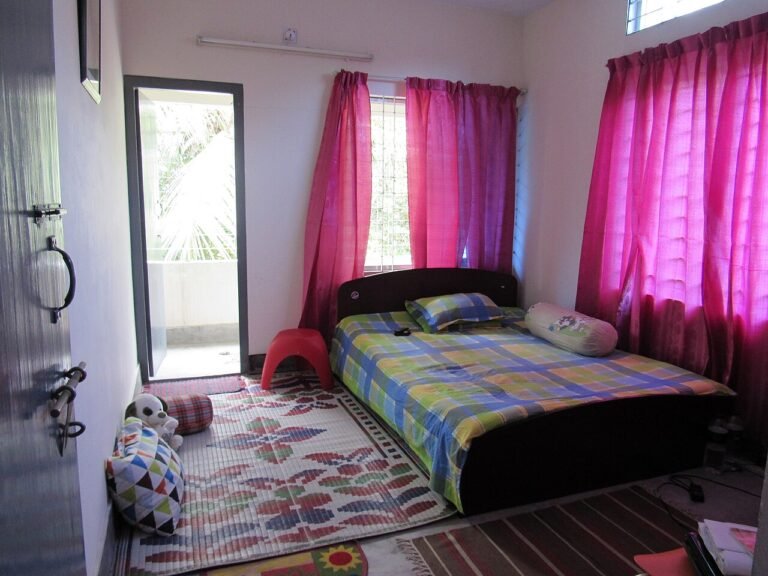
Knee pillow for side sleepers: what hospital sources say it does
A pillow between the knees keeps the top leg from twisting your pelvis and spine. Here is what hospital sources say, what they leave out, and when pain needs a doctor.

Upper back stretches for pain: what the guidance actually recommends
Which upper back stretches do physiotherapy leaflets and health pages list, how long to hold them, and how often. Includes the warning signs that mean stop stretching and see a doctor.
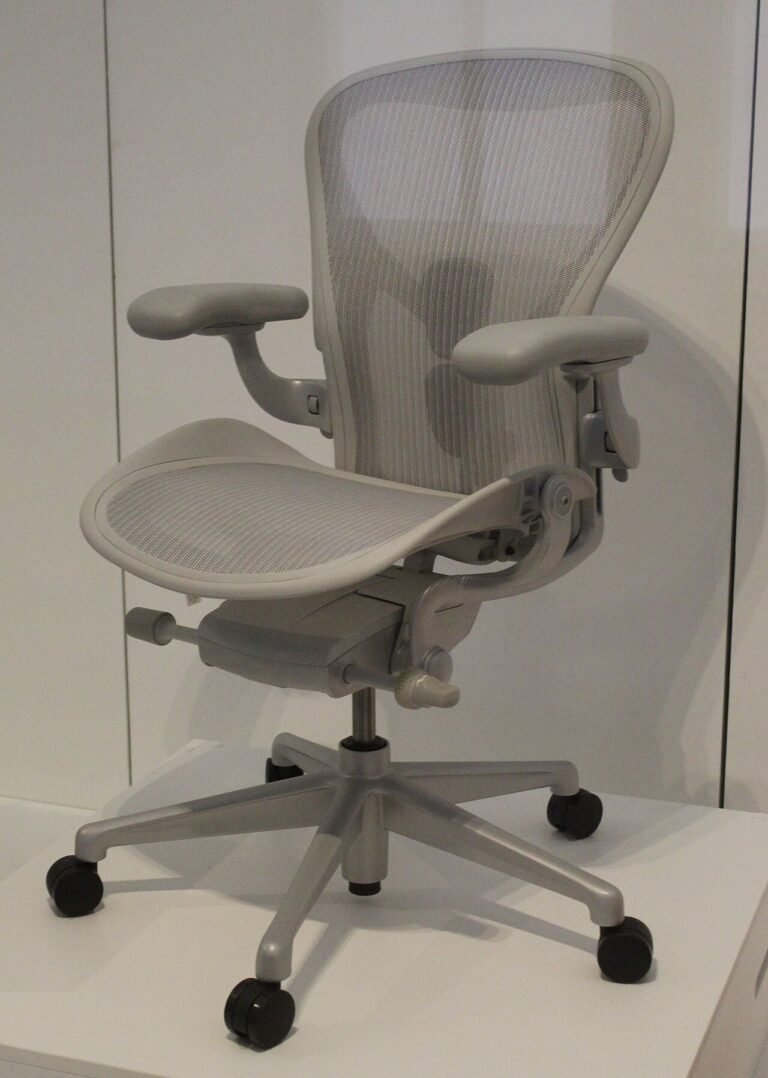
Tailbone pain when sitting: causes, cushions, and when to get it checked
Coccyx pain that flares in a chair usually settles with simple measures, but the evidence on doughnut versus wedge cushions is thin. Here is what institutional sources say, and which signs mean it is time to see a doctor.
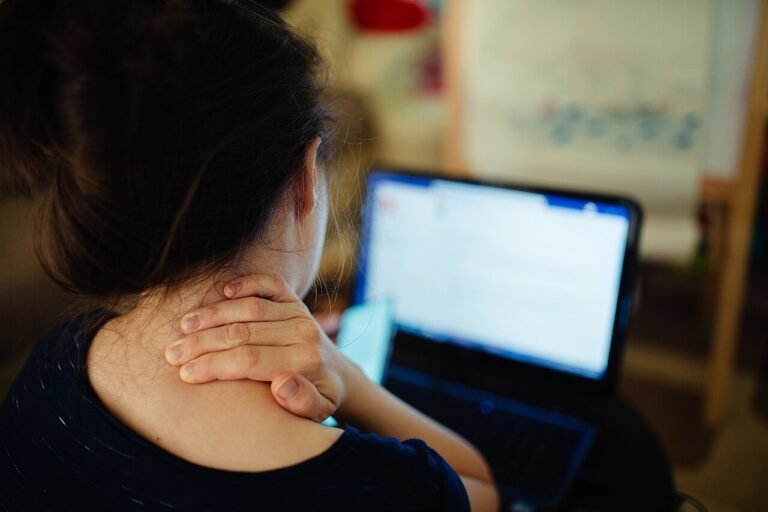
Stiff neck after sleeping or desk work: relief and red flags
A stiff neck is usually a strained muscle from a sleeping or desk position. This guide covers causes, what the NHS suggests, and the red flags the CDC and NHS say need a doctor.
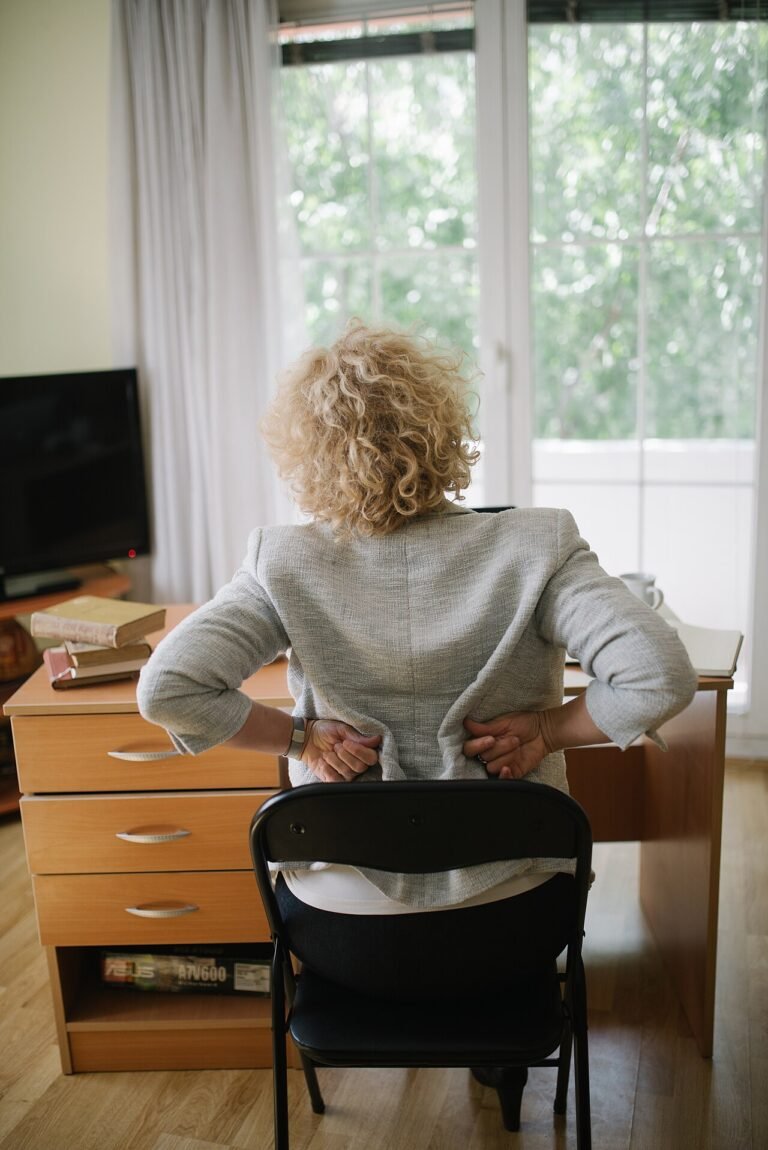
Pain in the middle of the upper back: desk causes and red flags
Most mid-back pain from desk work is a strained muscle that improves with movement and a better setup. Here are the red flags, what the NHS and NIAMS suggest, and the OSHA desk checklist.
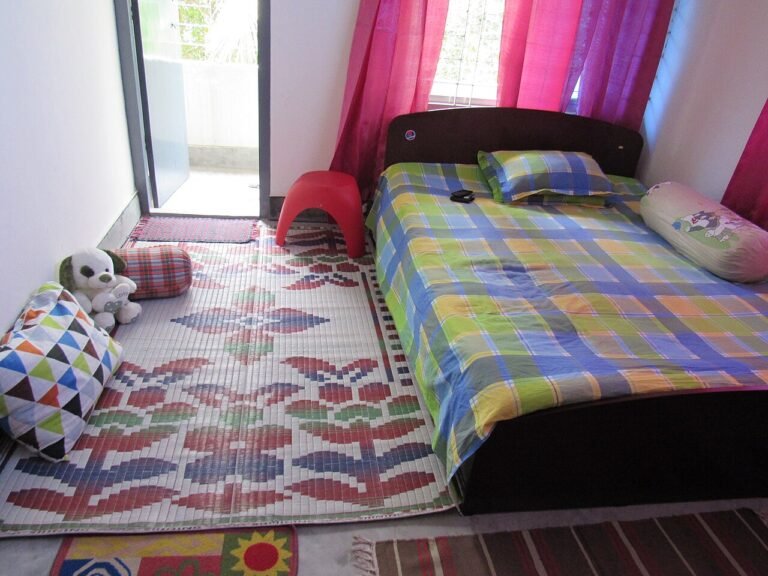
Sleeping Position and Pillows for Lower Back Pain
For lower back pain, Cleveland Clinic’s guidance is to sleep in a position that keeps the natural curve of the back. On your back, that means a small…